Expats Aren’t Immigrants: The Power of Privilege in Migration
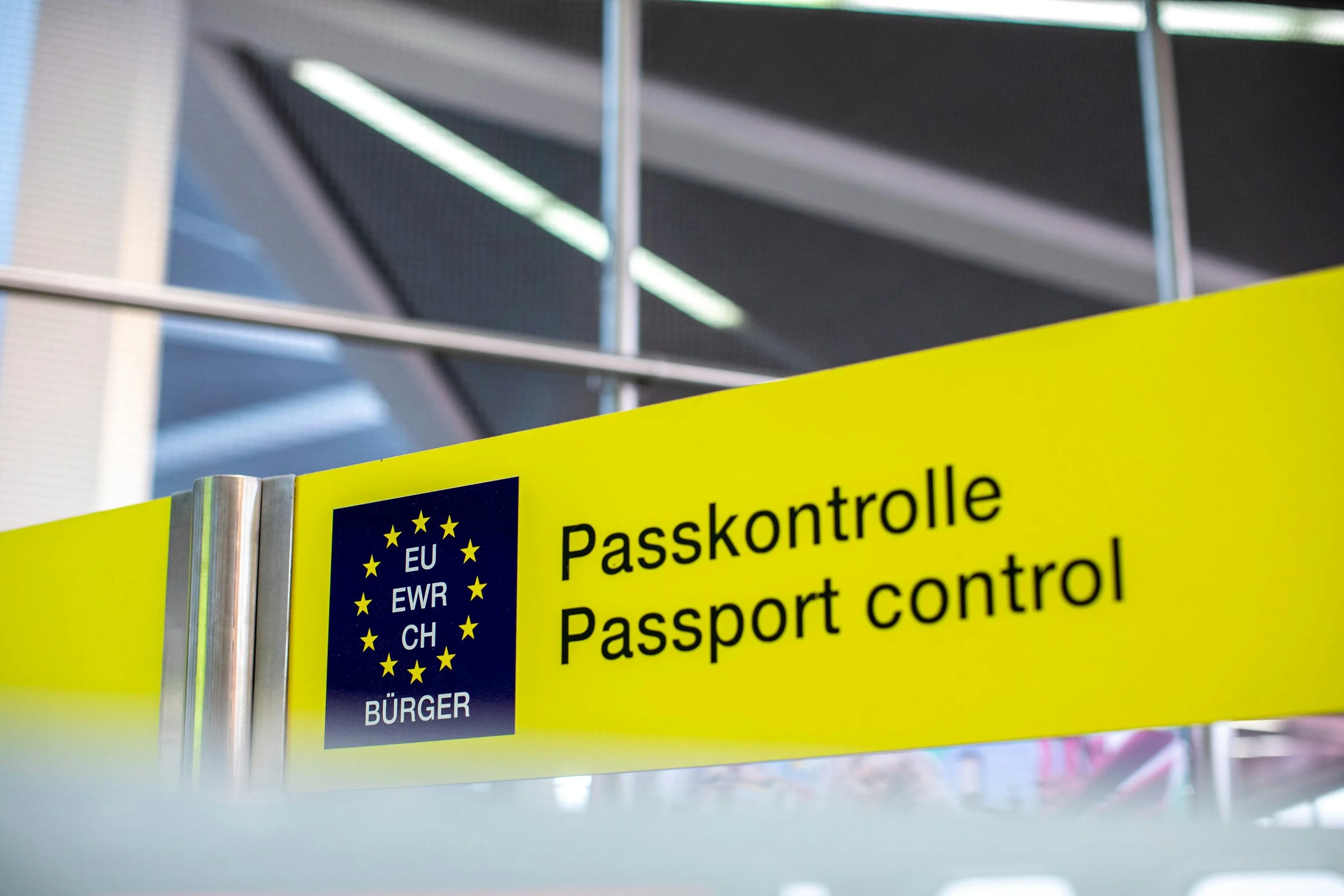
Picture this: a trendy café in a tropical country where foreign expats sip lattes and chat about their next vacation while, just outside, immigrants (or even locals) from the same region struggle to navigate bureaucracies, prejudice, and survival. These two groups cross borders, but their realities couldn’t be more different.
I’ve been seeing this whole online debate about expats being immigrants, and I think we’re missing some important points. Words mean things and describe specific realities we need to understand. The fact that the expressions “expat” and “digital nomad” were created to describe certain groups of travelers doesn’t only reflect the fact that they don’t want to be called immigrants (which I think is where most people’s minds go) but also shows what it means to be able to use privilege and power to shape reality in concrete ways.
Why Words Matter
We all want white people from the Global North to stop acting like they’re superior to immigrants, just like we’re tired of them thinking they’re better than Black people. And although they are none of those things, we must acknowledge that their reality is vastly different.
Expats/digital nomads are usually people from the Global North who have the financial means and a “strong” passport that allows them to freely travel to and settle in Global South countries where life is cheaper (for them) and more “exotic” (think tropical weather, slower-paced life, nature…). For example, in many cities in Southeast Asia, Latin America, or Africa, expats have driven up rental prices, forcing local families to leave neighborhoods they’ve lived in for generations. This often results in the gentrification (or colonization, if you will) of places. Locals’ living conditions worsen over time because they cannot afford the prices that expats can easily pay. Local prices are lower than in Global North countries, and expats/digital nomads’ purchasing power is higher than that of locals.
The Realities of Immigrants
Immigrants, on the other hand, are usually people from the Global South who hold “weak(er)” passports and are forced to leave their home countries for different external factors: poor living conditions, armed conflicts, political instability, financial crises, natural disasters, etc. Depending on the motive, an immigrant can also be a refugee who needs special legal protection. They didn’t simply wake up one day and decide they would like to live somewhere hotter.
Another important factor is that expats/digital nomads are often welcomed and well-treated in the destination country. Immigrants, however, are told to “go back home” or deported back to places where their lives might be in danger, oftentimes as a result of how imperialism from the Global North has destabilized them.
Privilege vs. Survival
Expats/digital nomads have a choice. They have financial resources, their freedom of movement is encouraged and respected, and they are not punished for violating immigration laws.
Immigrants, by contrast, don’t have a choice due to external factors. They lack financial resources to relocate, and their freedom of movement is limited, frowned upon, and punished when they cannot meet legal requirements — even if it means putting their lives in danger.
The realities and power dynamics are fundamentally different. For instance, consider how Global North countries often create the very conditions that force migration — through resource extraction, exploitative trade deals, or military interventions — while simultaneously denying refuge to those who flee the resulting instability.
Why We Need to Acknowledge These Differences
Each group exists on a non-linear intersectional spectrum; being a white expat is not the same as being a Black one, being a documented immigrant is not the same as being an undocumented one; and migrating South-North is not the same as migrating South-South.
Bottom line: our analysis needs to be as broad and nuanced as the realities we navigate.
It is important to acknowledge those differences. I understand that we need expats/digital nomads to do better and stop using their privileges to detach and dissociate themselves from the realities of people whose lives they directly impact. However, trying to equate them to immigrants is dangerous, as it can minimize and overshadow the survival-driven and traumatic experiences of immigrants.
What the two groups have in common is that they both cross borders. And it’s essential to acknowledge that putting them on an equal footing promotes an idea of equality that does not exist in practice. Trying to say we are all equal sounds good in theory, but it erases the disparities that shape daily life and doesn’t make space to advocate for real justice.
This isn’t just semantics — it’s about justice. When we flatten these differences, we risk silencing the struggles of those who need solidarity the most.
